
Zinc: Forms, Absorption, Immune Function, and Evidence-Based Supplementation
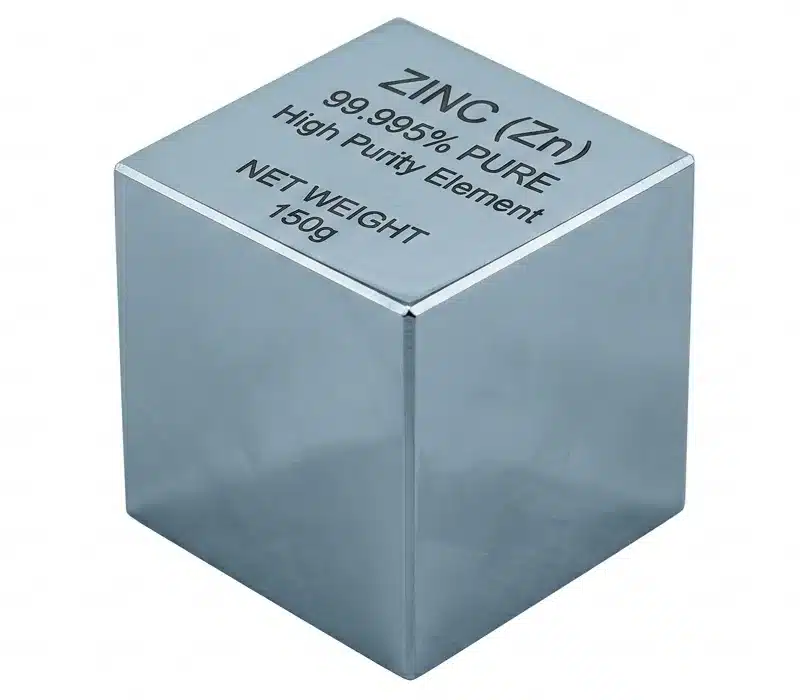
Zinc ranks as the second most abundant trace element in the human body after iron, with 2-3 grams distributed across skeletal muscle (60%), bone (30%), liver and skin (5% each), and other tissues. Approximately 10% of human proteins contain zinc-binding domains, reflecting the mineral’s indispensable role in enzyme catalysis, protein structure, gene expression, and cellular signaling 1Fukada T, Yamasaki S, Nishida K, et al. Zinc homeostasis and signaling in health and diseases. Journal of Biological Inorganic Chemistry 2011;16(7):1123-1134..
Despite zinc’s critical importance, an estimated 17-20% of the global population faces zinc deficiency risk, with prevalence reaching 30% in South Asia and affecting vulnerable groups worldwide including children, pregnant women, elderly individuals, and those with malabsorption conditions 2Wessels I, Maywald M, Rink L. Zinc as a gatekeeper of immune function. Nutrients 2017;9(12):1286..
This comprehensive guide examines zinc’s absorption mechanisms through specialized ZIP transporters, immune system effects, supplemental forms and their bioavailability differences, evidence-based dosing protocols, and critical interactions requiring clinical awareness.
Zinc Distribution and Biological Functions
The human body tightly regulates zinc homeostasis despite lacking dedicated storage organs. Skeletal muscle contains the largest zinc reservoir (60% of total), followed by bone (30%), which serves as a readily mobilizable source during deficiency. Liver and skin each contain approximately 5% of total body zinc, with the remainder distributed across other tissues including brain, kidneys, pancreas, and reproductive organs.
Enzyme Cofactor Functions
Zinc serves as a structural or catalytic cofactor for over 300 enzymes spanning six enzyme classes 3Andreini C, Banci L, Bertini I, Rosato A. Counting the zinc-proteins encoded in the human genome. Journal of Proteome Research 2006;5(1):196-201.:
Oxidoreductases: Alcohol dehydrogenase, carbonic anhydrase, superoxide dismutase (antioxidant defense)
Transferases: RNA polymerases, DNA polymerases (genetic material synthesis)
Hydrolases: Carboxypeptidases, alkaline phosphatase (protein and nucleic acid metabolism)
Lyases: Carbonic anhydrase, fructose-bisphosphate aldolase (carbon-carbon bond formation/cleavage)
Isomerases: Phosphomannose isomerase (molecular rearrangements)
Ligases: Aminoacyl-tRNA synthetases (protein synthesis)
Structural and Regulatory Roles
Beyond catalytic functions, zinc stabilizes protein structures through specialized binding motifs:
Zinc Finger Proteins: Transcription factors containing zinc-coordinated cysteine and histidine residues that bind DNA to regulate gene expression. Over 2,000 human proteins contain zinc finger domains.
Metallothioneins: Cysteine-rich proteins that bind and buffer intracellular zinc, protecting against oxidative stress and regulating zinc availability for cellular processes.
Structural Stabilization: Zinc maintains tertiary structure in proteins lacking catalytic zinc but requiring the metal for proper folding and function.
Signaling Functions
Recent research reveals zinc’s role as a signaling molecule—termed the “zinc signal”—that mediates rapid cellular responses to extracellular stimuli 4Hojyo S, Fukada T. Roles of zinc signaling in the immune system. Journal of Immunology Research 2016;2016:6762343.. Transient zinc concentration changes activate or inhibit kinases, phosphatases, and other signaling proteins, creating zinc-dependent signaling cascades analogous to calcium signaling.
Absorption Mechanisms and ZIP Transporters
Zinc absorption occurs primarily in the duodenum and jejunum through both saturable active transport and non-saturable passive diffusion, with relative contributions depending on zinc intake levels and physiological status.
ZIP Family Transporters
The SLC39A family of zinc transporters, commonly called ZIP (Zrt-, Irt-like Protein) transporters, mediates zinc uptake across cell membranes from the extracellular environment or intracellular organelles into the cytoplasm. Humans express 14 ZIP family members (ZIP1-ZIP14), each with tissue-specific distribution and distinct physiological functions 5Fukada T, Kambe T. Molecular and genetic features of zinc transporters in physiology and pathogenesis. Metallomics 2011;3(7):662-674..
ZIP4: Intestinal Zinc Absorption
ZIP4 (SLC39A4) serves as the principal zinc uptake transporter in enterocytes, expressed on the apical membrane facing the intestinal lumen. ZIP4 expression and cellular localization respond dynamically to dietary zinc status:
- Zinc Deficiency: ZIP4 mRNA and protein levels increase dramatically, and the transporter localizes to the apical membrane to maximize zinc absorption
- Zinc Sufficiency: ZIP4 undergoes internalization and degradation, reducing absorption capacity
- Zinc Excess: ZIP4 expression decreases markedly to limit absorption
Loss-of-function mutations in ZIP4 cause acrodermatitis enteropathica, a severe genetic disorder characterized by profound zinc deficiency, dermatitis, diarrhea, and immune dysfunction that proves fatal without high-dose zinc supplementation 6Kury S, Dreno B, Bezieau S, et al. Identification of SLC39A4, a gene involved in acrodermatitis enteropathica. Nature Genetics 2002;31(3):239-240..
Other ZIP Transporters
ZIP1, ZIP2, and ZIP3 contribute to intestinal zinc absorption, with functional redundancy revealed by knockout studies showing these transporters become critical during pregnancy and zinc deficiency. ZIP8 and ZIP14 transport zinc, iron, and manganese, playing roles in inflammatory responses and systemic metal homeostasis. ZIP5 functions in zinc excretion rather than absorption, preventing zinc toxicity by mediating zinc efflux from enterocytes into the intestinal lumen.
ZnT Family Transporters
The SLC30A family of zinc transporters (ZnT proteins) mediates zinc efflux from the cytoplasm to the extracellular environment or into intracellular organelles, providing complementary regulation to ZIP transporters. Ten ZnT transporters (ZnT1-ZnT10) function coordinately with ZIPs to maintain cellular zinc homeostasis.
Factors Affecting Zinc Absorption
Dietary Enhancers
- Amino acids and peptides (forms amino acid-zinc complexes)
- Citric acid and other organic acids (maintains zinc solubility)
- Moderate protein intake (provides ligands for zinc complexation)
Dietary Inhibitors
- Phytate (inositol hexaphosphate in grains, legumes, nuts) – forms insoluble zinc-phytate complexes
- High calcium intake (competitive inhibition of absorption)
- Iron supplements at high doses (competition for shared transport systems)
- Oxalates (found in spinach, rhubarb) – precipitates zinc
- Tannins and polyphenols (tea, coffee) – chelate zinc
Fractional zinc absorption varies from 15-40% depending on dietary composition, physiological status, and zinc intake level. Higher zinc intakes produce lower fractional absorption due to saturation of active transport mechanisms, while deficiency states upregulate absorption efficiency.
Chemical Forms and Bioavailability
Zinc supplements contain various chemical forms, each with distinct absorption characteristics, cost profiles, and tolerability. Understanding bioavailability differences enables informed supplementation choices.
Zinc Gluconate
Zinc gluconate represents one of the most common supplemental forms, consisting of zinc bound to gluconic acid. This chelated form demonstrates good solubility and tolerability.
Bioavailability Profile
- Fractional absorption: 60.9% at physiological doses
- Well-tolerated with minimal gastrointestinal effects
- Moderate cost-effectiveness
- Widely available in various formulations
Research comparing zinc gluconate to other forms reveals consistent, reliable absorption 7Wegmuller R, Tay F, Zeder C, et al. Zinc absorption by young adults from supplemental zinc citrate is comparable with that from zinc gluconate and higher than from zinc oxide. Journal of Nutrition 2014;144(2):132-136.. Clinical trials demonstrate efficacy for treating zinc deficiency and supporting immune function.
Zinc Picolinate
Zinc picolinate combines zinc with picolinic acid, a natural metabolite of tryptophan metabolism. Advocates claim superior absorption based on picolinic acid’s role as a zinc chelator in the intestine.
Bioavailability Evidence
A double-blind crossover study comparing 50 mg elemental zinc daily from picolinate, citrate, and gluconate forms found that zinc picolinate uniquely increased zinc levels in hair (p<0.005), urine (p<0.001), and erythrocytes (p<0.001) after four weeks, while gluconate and citrate produced no significant changes 8Barrie SA, Wright JV, Pizzorno JE, et al. Comparative absorption of zinc picolinate, zinc citrate and zinc gluconate in humans. Agents and Actions 1987;21(1-2):223-228..
However, this single study’s small sample size (n=15) and lack of replication limit definitive conclusions. The substantially higher cost of zinc picolinate may not justify its use for routine supplementation given that multiple other forms demonstrate adequate absorption.
Zinc Glycinate (Bis-glycinate)
Zinc glycinate chelates zinc with the amino acid glycine, creating a highly bioavailable complex with excellent tolerability.
Absorption Superiority
A randomized crossover study demonstrated zinc bis-glycinate increased oral bioavailability by 43.4% compared to zinc gluconate (p<0.001) 9Gandia P, Bour D, Maurette JM, et al. A bioavailability study comparing two oral formulations containing zinc (Zn bis-glycinate vs. Zn gluconate) after a single administration to twelve healthy female volunteers. International Journal for Vitamin and Nutrition Research 2007;77(4):243-248.. Another study in 30 women found zinc glycinate was the only form to significantly increase plasma zinc at 6 weeks compared to baseline and other zinc forms tested (p<0.001).
Despite superior bioavailability data, zinc glycinate typically costs 2-3 times more than zinc gluconate, potentially limiting cost-effectiveness for long-term supplementation in budget-conscious consumers.
Zinc Citrate
Zinc citrate combines zinc with citric acid, providing good solubility and absorption characteristics comparable to gluconate.
Comparative Performance
- Fractional absorption: 61.3% (similar to gluconate at 60.9%)
- Well-tolerated
- Moderate pricing
- Comparable clinical efficacy to gluconate
No significant absorption differences exist between zinc citrate and zinc gluconate in controlled studies, making either form a reasonable choice for supplementation.
Zinc Oxide
Zinc oxide, an inorganic zinc compound, demonstrates significantly lower bioavailability than organic zinc forms.
Absorption Limitations
- Fractional absorption: 49.9% (substantially lower than citrate/gluconate at 60-61%)
- Poor water solubility affects absorption when taken on empty stomach
- Higher inter-individual variability in absorption
- Lowest cost among zinc supplements
Research consistently shows zinc oxide absorption approximately 10-12 percentage points lower than zinc gluconate or citrate 10Wegmuller R, Tay F, Zeder C, et al. Zinc absorption by young adults from supplemental zinc citrate is comparable with that from zinc gluconate and higher than from zinc oxide. Journal of Nutrition 2014;144(2):132-136.. For individuals requiring zinc repletion, organic forms provide more reliable absorption.
Zinc Sulfate
Zinc sulfate serves as a reference standard in many absorption studies but demonstrates poor tolerability compared to chelated forms.
Clinical Considerations
- Adequate bioavailability but frequently causes gastrointestinal upset
- Nausea, stomach cramping, and metallic taste common
- Lower cost
- Generally not recommended due to tolerability issues
Form Selection Recommendations
For routine supplementation in healthy individuals, zinc gluconate or zinc citrate provides optimal cost-effectiveness with reliable absorption. Individuals experiencing gastrointestinal intolerance may benefit from zinc glycinate despite higher cost. Zinc picolinate remains an option for those prioritizing maximum tissue retention, though evidence supporting routine use remains limited.
Zinc oxide should be reserved for topical applications (sunscreens, diaper creams) rather than oral supplementation given inferior bioavailability. Zinc sulfate’s poor tolerability profile makes it a suboptimal choice despite adequate absorption.
Recommended Daily Intake and Dosing
Zinc requirements vary by age, sex, physiological status, and individual factors affecting absorption and utilization. Multiple health authorities have established reference values, though recommendations differ based on underlying criteria and population data.
Dietary Reference Intakes
The Institute of Medicine established Recommended Dietary Allowances (RDAs) based on zinc intake necessary to maintain adequate status while accounting for absorption efficiency and physiological losses 11Institute of Medicine (US) Panel on Micronutrients. Dietary Reference Intakes for Vitamin A, Vitamin K, Arsenic, Boron, Chromium, Copper, Iodine, Iron, Manganese, Molybdenum, Nickel, Silicon, Vanadium, and Zinc. National Academies Press 2001.:
Infants
- 0-6 months: 2 mg/day (AI)
- 7-12 months: 3 mg/day
Children
- 1-3 years: 3 mg/day
- 4-8 years: 5 mg/day
- 9-13 years: 8 mg/day
Adolescents and Adults
- Males 14+ years: 11 mg/day
- Females 14-18 years: 9 mg/day
- Females 19+ years: 8 mg/day
- Pregnancy: 11-12 mg/day (age-dependent)
- Lactation: 12-13 mg/day (age-dependent)
These recommendations assume mixed diets with moderate bioavailability (approximately 30% absorption efficiency). Vegetarian and vegan diets high in phytate may require 50% higher zinc intake to compensate for reduced bioavailability.
Tolerable Upper Intake Levels
The UL represents maximum daily intake unlikely to cause adverse effects in most individuals:
Age-Specific Upper Limits
- Children 1-3 years: 7 mg/day
- Children 4-8 years: 12 mg/day
- Children 9-13 years: 23 mg/day
- Adolescents 14-18 years: 34 mg/day
- Adults 19+ years: 40 mg/day
Chronic zinc intake exceeding the UL increases risk for copper deficiency, impaired immune function, and adverse effects on HDL cholesterol. Acute zinc toxicity from single doses exceeding 200-400 mg causes nausea, vomiting, abdominal cramping, and diarrhea.
Therapeutic Dosing for Deficiency
Confirmed zinc deficiency requires higher supplemental doses for repletion:
Deficiency Treatment Protocol
- Mild-moderate deficiency: 25-50 mg elemental zinc daily for 3-6 months
- Severe deficiency: 50-100 mg elemental zinc daily with monitoring
- Acrodermatitis enteropathica: 50-150 mg elemental zinc daily lifelong
Serum or plasma zinc levels should be monitored during treatment, with concurrent measurement of C-reactive protein and albumin to interpret results accurately (inflammation and hypoalbuminemia artificially lower zinc values).
Population-Specific Considerations
Pregnancy and Lactation
Zinc requirements increase during pregnancy to support fetal development and maternal tissue expansion. Inadequate zinc status associates with increased risk of preterm delivery, low birth weight, and pregnancy complications. Most prenatal vitamins provide 15-20 mg zinc daily, meeting increased requirements.
Elderly Individuals
Aging reduces zinc absorption efficiency and increases prevalence of conditions affecting zinc status (medications, chronic diseases, reduced dietary intake). Studies demonstrate 30-40% of elderly populations consume inadequate zinc, warranting assessment and potential supplementation at 15-30 mg daily.
Athletes
Intense exercise increases zinc losses through sweat and may increase requirements 25-50% above RDA levels. Athletes consuming >3,000 calories daily from varied sources typically meet needs through diet alone, but those on restricted diets benefit from 15-25 mg supplemental zinc.
Vegetarians and Vegans
Plant-based diets high in phytate substantially reduce zinc bioavailability. Vegetarians may require 50% higher zinc intake than omnivores to maintain equivalent status. Food preparation techniques (soaking, sprouting, fermenting) reduce phytate content and improve zinc absorption.
Immune System Function
Zinc profoundly affects both innate and adaptive immune responses, with deficiency impairing virtually all immune cell types and functions. The relationship between zinc status and immunity has driven extensive research into zinc supplementation for preventing and treating infections.
Innate Immunity
Neutrophils and Phagocytosis
Zinc supports neutrophil chemotaxis, phagocytosis, and pathogen killing. Recent research reveals that neutrophils dynamically regulate zinc availability during pathogen engulfment, depleting zinc from engulfed microbes while carefully controlling intraphagosomal zinc levels 12Urban CF, Ullah N, et al. Neutrophils coordinate zinc mobilization during microbicidal activity. Journal of Biological Chemistry 2024;300(2):105612..
Contrary to previous assumptions that neutrophils poison microbes with excess zinc, advanced imaging demonstrates neutrophils actually drain zinc from pathogens. When zinc levels dropped too low, yeast cells were killed more efficiently, while high zinc significantly impaired neutrophil antimicrobial capacity. This delicate balance highlights zinc’s complex regulatory role in innate immunity.
Natural Killer Cells
NK cell activity declines during zinc deficiency, reducing their cytotoxic capacity against virus-infected and tumor cells. Zinc supplementation in deficient individuals restores NK cell numbers and function.
Macrophage Function
Zinc deficiency impairs macrophage phagocytosis, intracellular killing, and cytokine production. Zinc also modulates inflammatory responses by inhibiting NF-κB signaling, preventing excessive pro-inflammatory cytokine release while maintaining antimicrobial capacity.
Adaptive Immunity
T-Cell Development and Function
The thymus, where T-cell maturation occurs, demonstrates extreme sensitivity to zinc deficiency. Zinc-deficient states produce thymic atrophy, reduced T-cell numbers, and impaired T-cell-mediated immunity 13Prasad AS. Zinc in human health: effect of zinc on immune cells. Molecular Medicine 2008;14(5-6):353-357..
Recent research demonstrates zinc supplementation enhances thymic recovery following hematopoietic stem cell transplantation. A randomized controlled trial in transplant patients found zinc supplementation (90 mg daily for 30 days, then 30 mg daily) significantly increased recent thymic emigrant T-cells and CD4+ naïve T-cell counts at day 100 post-transplant 14Jahankhani K, Behboudi H, et al. Zinc supplementation promotes T-cell reconstitution in hematopoietic stem cell transplant recipients. BMC Immunology 2025;26:15..
T-Helper Cell Differentiation
Zinc influences T-helper cell polarization, affecting the balance between Th1 (cell-mediated immunity) and Th2 (humoral immunity) responses. Zinc deficiency decreases Th1 cytokine production (particularly interferon-γ) while relatively preserving Th2 responses, shifting immune balance toward allergic and antibody-mediated responses.
A randomized trial in children with pneumonia demonstrated zinc supplementation enhanced Th1 responses, increasing interferon-γ and IL-2 production while improving clinical outcomes (faster symptom resolution, reduced respiratory rate normalization time) 15Maywald M, Wessels I, Rink L. Zinc signals and immune function. International Journal of Molecular Sciences 2017;18(10):2222..
B-Cell Function
Zinc deficiency impairs B-cell development, antibody production, and class switching. Adequate zinc status supports optimal humoral immunity and vaccine responses.
Clinical Evidence for Supplementation
Respiratory Infections
While zinc’s immune-supporting mechanisms are well-established, clinical evidence for preventing or treating respiratory infections presents a nuanced picture:
- Zinc supplementation does not consistently reduce respiratory infection incidence in well-nourished populations
- In zinc-deficient children, supplementation significantly reduces pneumonia incidence and severity
- Zinc lozenges may modestly reduce common cold duration when initiated within 24 hours of symptom onset
- Very high doses (>100 mg daily) provide no additional benefit and increase adverse effects
Diarrheal Diseases
WHO recommends zinc supplementation (20 mg daily for children, 10 mg for infants under 6 months) for acute diarrhea management, based on robust evidence demonstrating:
- 25% reduction in diarrhea duration
- 40% reduction in treatment failure or death in persistent diarrhea
- Reduced incidence of subsequent diarrheal episodes for 2-3 months
Immunocompromised Populations
Zinc supplementation shows promise in supporting immune reconstitution in transplant recipients, HIV patients, and elderly individuals with marginal zinc status. However, excessive zinc intake (>40 mg daily long-term) may paradoxically impair immune function through copper depletion and direct immunosuppressive effects.
Testosterone and Reproductive Health
Zinc plays critical roles in male reproductive function, testosterone synthesis, and sperm quality, with deficiency profoundly affecting sexual development and fertility.
Testosterone Synthesis
Zinc serves as a cofactor for enzymes involved in testosterone biosynthesis and supports testicular Leydig cell function. Severe zinc deficiency in adolescents delays sexual maturation, reduces testosterone levels, and causes hypogonadism that resolves with zinc repletion.
Evidence in Deficiency States
Studies in zinc-deficient populations demonstrate clear testosterone improvements with supplementation. However, in zinc-sufficient men, additional supplementation does not increase testosterone levels above normal ranges. A systematic review concluded that zinc supplementation raises testosterone only in individuals with confirmed deficiency or marginal status, not in those with adequate zinc levels.
Sperm Quality and Fertility
Adequate zinc concentrations in seminal plasma support sperm motility, membrane stability, and DNA integrity. Zinc deficiency associates with:
- Reduced sperm count and concentration
- Decreased sperm motility
- Increased sperm DNA fragmentation
- Impaired spermatogenesis
Zinc supplementation (25-50 mg daily) in subfertile men with low seminal zinc improves semen parameters in some studies, though results vary based on baseline zinc status and cause of infertility.
Prostate Health
The prostate accumulates the highest zinc concentrations of any soft tissue in the body. Zinc inhibits prostate cancer cell growth in vitro and supports normal prostate function. However, epidemiological studies linking zinc supplementation to prostate cancer risk show conflicting results, with some suggesting very high supplemental zinc (>100 mg daily) may increase advanced prostate cancer risk while others find no association.
Moderate zinc intake (within RDA or slightly above for deficiency correction) appears safe, but megadose supplementation (>40 mg daily long-term) lacks safety evidence regarding prostate cancer risk.
Interactions and Contraindications
Zinc interacts with numerous medications and nutrients, requiring clinical awareness to prevent adverse outcomes and optimize therapeutic efficacy.
Copper Depletion
Zinc and copper compete for intestinal absorption through shared transport mechanisms. Prolonged zinc supplementation exceeding 40-50 mg daily progressively depletes copper stores, eventually causing copper deficiency with serious consequences:
Copper Deficiency Manifestations
- Microcytic anemia refractory to iron supplementation
- Neutropenia and immune dysfunction
- Neurological symptoms (myelopathy, peripheral neuropathy)
- Bone abnormalities
- Cardiovascular effects (cardiomyopathy in severe cases)
Individuals taking zinc supplements exceeding 25 mg daily long-term should consider concurrent copper supplementation (1-2 mg daily) or periodic copper status monitoring. The typical zinc-to-copper ratio in combined supplements ranges from 8:1 to 15:1.
Medication Interactions
Antibiotics
Zinc forms chelation complexes with quinolone and tetracycline antibiotics, substantially reducing antibiotic absorption and therapeutic efficacy. Separate zinc supplements from these antibiotics by at least 2 hours before or 4-6 hours after antibiotic administration.
Affected antibiotics include:
- Quinolones: ciprofloxacin, levofloxacin, moxifloxacin
- Tetracyclines: doxycycline, minocycline, tetracycline
Diuretics
Thiazide diuretics increase urinary zinc excretion, potentially contributing to zinc depletion with long-term use. Individuals on chronic thiazide therapy may benefit from zinc status assessment and supplementation if deficient.
Penicillamine
This chelating agent used for Wilson’s disease and rheumatoid arthritis binds zinc and reduces absorption. Patients on penicillamine require zinc supplementation (separated by 2 hours from medication) to prevent deficiency.
Bisphosphonates
Zinc may reduce absorption of bisphosphonate medications for osteoporosis. Separate zinc supplements from bisphosphonates by several hours.
Nutrient Interactions
Iron
High-dose iron supplements (>25 mg elemental iron) may reduce zinc absorption when taken simultaneously. This interaction primarily concerns therapeutic iron supplementation rather than dietary iron. Taking zinc and iron at different times of day minimizes competition.
Calcium
Very high calcium intake (>1,000 mg at one time) may modestly reduce zinc absorption in some individuals. This interaction appears clinically insignificant at typical dietary and supplemental calcium intakes but may matter in individuals consuming multiple grams of calcium daily.
Phytate
Phytate (inositol hexaphosphate) in whole grains, legumes, and nuts strongly binds zinc, forming insoluble complexes that pass through the digestive tract unabsorbed. The molar ratio of phytate to zinc determines absorption inhibition:
- Phytate:zinc ratio <5:1 – minimal inhibition
- Phytate:zinc ratio 5-15:1 – moderate inhibition
- Phytate:zinc ratio >15:1 – severe inhibition
Food preparation methods reducing phytate content (soaking, sprouting, fermenting, leavening bread) significantly improve zinc bioavailability from plant sources.
Special Population Considerations
Renal Disease
Chronic kidney disease alters zinc homeostasis through multiple mechanisms including reduced absorption, increased urinary losses, and dialysis removal. Zinc supplementation in dialysis patients requires careful monitoring to avoid toxicity while preventing deficiency.
Inflammatory Conditions
Acute phase responses redistribute zinc from plasma to tissues, producing hypozincemia that may not reflect true deficiency. C-reactive protein and albumin should be measured concurrently with zinc levels to interpret results accurately. Supplementation during acute inflammation requires clinical judgment balancing redistribution versus true deficiency.
Sickle Cell Disease
Sickle cell patients demonstrate increased zinc requirements due to accelerated cell turnover and increased urinary losses. Zinc supplementation (25-50 mg daily) improves immune function and may reduce infection rates in this population.
Deficiency and Toxicity
Zinc Deficiency Manifestations
Mild-Moderate Deficiency
- Growth impairment in children
- Delayed sexual maturation
- Increased infection susceptibility
- Impaired wound healing
- Hair loss
- Dermatitis
- Taste abnormalities (dysgeusia)
- Night blindness
- Mental lethargy
Severe Deficiency
- Severe growth retardation and dwarfism
- Hypogonadism and delayed sexual development
- Severe dermatitis and alopecia
- Chronic diarrhea
- Immune dysfunction with life-threatening infections
- Neuropsychiatric symptoms
- Death if untreated
Acrodermatitis Enteropathica
This genetic disorder results from ZIP4 transporter mutations causing severe zinc malabsorption. Affected infants develop characteristic perioral and acral dermatitis, diarrhea, alopecia, and immune dysfunction shortly after weaning. Without zinc supplementation (50-150 mg daily lifelong), the condition proves fatal. High-dose zinc therapy produces dramatic clinical improvement within days.
Zinc Toxicity
Acute Toxicity
Single doses exceeding 200-400 mg produce acute gastrointestinal symptoms:
- Nausea and vomiting (within 30 minutes to 2 hours)
- Abdominal cramping
- Diarrhea
- Headache
These symptoms resolve within hours and rarely require medical intervention beyond supportive care.
Chronic Toxicity
Prolonged intake exceeding the UL (40 mg daily for adults) produces:
- Copper deficiency (primary concern)
- Impaired immune function (paradoxical immunosuppression)
- Reduced HDL cholesterol
- Anemia
- Neutropenia
- Genitourinary complications
Individuals consuming 50-100 mg zinc daily long-term should undergo periodic monitoring of copper status, complete blood count, and lipid profiles.
Quality Considerations and Testing
Zinc supplement quality varies substantially across manufacturers, with concerns including elemental zinc content accuracy, contaminant presence, and bioavailability claims verification.
Third-Party Certification
Quality zinc supplements carry certification from independent testing organizations:
USP Verified: Confirms zinc content accuracy, dissolution, purity, and manufacturing quality through laboratory testing and facility audits
NSF Certified: Verifies label claims and screens for contaminants including heavy metals
ConsumerLab Approved: Independent testing confirms zinc content and absence of contaminants
For comprehensive information on supplement testing standards, see our supplement certifications comparison guide.
Elemental Zinc Content
Zinc supplements list elemental zinc content, which differs from the total weight of the zinc compound:
- Zinc gluconate 14.3% elemental zinc (100 mg contains 14.3 mg elemental zinc)
- Zinc citrate 34.0% elemental zinc
- Zinc picolinate 20.1% elemental zinc
- Zinc glycinate 31.6% elemental zinc
- Zinc sulfate 23.0% elemental zinc
- Zinc oxide 80.0% elemental zinc
Consumers should verify products specify elemental zinc content rather than total compound weight to ensure appropriate dosing.
Contaminant Testing
Quality manufacturers test for:
- Heavy metals (lead, cadmium, mercury, arsenic)
- Microbiological contamination
- Residual solvents
- Pesticides (in plant-derived zinc sources)
Third-party certification provides greatest assurance of comprehensive contaminant screening compared to manufacturer claims alone.
Frequently Asked Questions
What is the best form of zinc to take?
For most individuals, zinc gluconate or zinc citrate provides optimal cost-effectiveness with reliable absorption (60-61% bioavailability). Zinc glycinate demonstrates superior bioavailability (43% higher than gluconate) but costs 2-3 times more, making it best suited for those experiencing gastrointestinal intolerance or requiring maximum absorption. Zinc picolinate shows promise in limited research but lacks sufficient evidence to justify routine use over more economical forms.
How much zinc should I take daily?
The RDA provides baseline guidance: 11 mg/day for adult men, 8 mg/day for adult women, with increases during pregnancy (11-12 mg) and lactation (12-13 mg). Individuals treating confirmed deficiency may require 25-50 mg daily for 3-6 months under medical supervision. Avoid exceeding 40 mg daily long-term due to copper depletion and immunosuppression risks.
Can I take too much zinc?
Yes. The Tolerable Upper Intake Level for adults is 40 mg daily. Chronic intake exceeding this amount progressively depletes copper, impairs immune function, and reduces HDL cholesterol. Acute doses exceeding 200 mg cause gastrointestinal distress. Very high long-term supplementation (>100 mg daily) may increase prostate cancer risk in some populations.
Should I take zinc with or without food?
Zinc absorbed on an empty stomach often causes nausea, particularly with zinc sulfate. Taking zinc with food reduces gastrointestinal side effects but may modestly decrease absorption, especially if the meal contains high phytate (whole grains, legumes) or calcium. For optimal tolerance with adequate absorption, take zinc with a light meal or snack.
Does zinc help with colds?
Zinc lozenges may modestly reduce cold duration (approximately 1-2 days) when initiated within 24 hours of symptom onset and used every 2-3 hours while awake. Regular zinc supplementation does not prevent colds in well-nourished individuals. The evidence for zinc’s cold-fighting properties remains mixed and effect sizes modest.
Will zinc supplementation increase testosterone?
Zinc supplementation raises testosterone only in individuals with confirmed zinc deficiency or marginal status. In zinc-sufficient men, additional supplementation does not increase testosterone above normal physiological ranges. Claims of testosterone-boosting effects in adequate-zinc populations lack scientific support.
How do I know if I’m zinc deficient?
Clinical signs include frequent infections, impaired wound healing, hair loss, skin changes, taste abnormalities, and growth impairment in children. Laboratory assessment requires plasma or serum zinc measurement with concurrent C-reactive protein and albumin (inflammation and low albumin falsely lower zinc values). Serum zinc <70 µg/dL suggests deficiency requiring further evaluation.
Can zinc interfere with my medications?
Yes. Zinc significantly reduces absorption of quinolone and tetracycline antibiotics—separate by 2+ hours before or 4-6 hours after antibiotics. Zinc may reduce bisphosphonate effectiveness. Thiazide diuretics increase zinc losses. Penicillamine binds zinc. Consult healthcare providers about potential interactions with all medications.
Is zinc safe during pregnancy?
Yes, zinc is safe and essential during pregnancy at recommended doses (11-12 mg daily). Adequate zinc status supports fetal development and reduces preterm delivery risk. Most prenatal vitamins provide appropriate zinc amounts. Avoid megadose supplementation (>40 mg daily) without medical supervision due to potential copper depletion.
How long does it take to correct zinc deficiency?
Mild deficiency typically resolves within 3-6 months of adequate supplementation (25-50 mg daily). Severe deficiency requires longer treatment (6-12 months) with higher doses under medical supervision. Clinical improvement often begins within weeks, but complete tissue repletion requires months of consistent supplementation.
Conclusion: Evidence-Based Zinc Supplementation
Zinc’s essential roles in immune function, growth, wound healing, and cellular metabolism make adequate status critical for optimal health. While severe deficiency remains relatively rare in developed nations, marginal zinc inadequacy affects substantial populations, particularly children, pregnant women, elderly individuals, and those consuming plant-based diets high in phytate.
Key Takeaways:
- Absorption depends on ZIP transporter function and dietary composition, with phytate substantially reducing bioavailability
- Form selection prioritizes cost-effectiveness and tolerability—gluconate and citrate provide reliable absorption for most individuals
- Immune function critically depends on adequate zinc, with deficiency impairing both innate and adaptive responses
- Dosing should target RDA levels (8-11 mg daily) for maintenance, with higher doses (25-50 mg) reserved for confirmed deficiency treatment
- Copper interaction represents the primary toxicity concern with long-term supplementation exceeding 40 mg daily
- Quality testing through third-party certification ensures accurate zinc content and contaminant screening
For individuals seeking zinc supplementation: prioritize dietary sources from oysters, red meat, poultry, beans, and fortified cereals; supplement with quality-tested gluconate or citrate forms at 15-25 mg daily if dietary intake proves inadequate; avoid megadose supplementation lacking evidence for additional benefit beyond deficiency correction; and monitor copper status if supplementing above 25 mg daily long-term.
Related Articles:
- Supplement Bioavailability: How Nutrient Forms Affect Absorption
- Vitamin C: Forms, Absorption, and Evidence-Based Benefits
- Supplement Certifications Compared: Which Testing Standards Matter
About This Article: This comprehensive guide represents current evidence on zinc, incorporating peer-reviewed research on ZIP transporter mechanisms, immune function, supplemental forms bioavailability, and clinical applications. All recommendations align with established safety guidelines from authoritative health organizations. For personalized supplement recommendations based on your specific health goals and needs, explore our Smart Stacks tool.
References
- 1Fukada T, Yamasaki S, Nishida K, et al. Zinc homeostasis and signaling in health and diseases. Journal of Biological Inorganic Chemistry 2011;16(7):1123-1134.
- 2Wessels I, Maywald M, Rink L. Zinc as a gatekeeper of immune function. Nutrients 2017;9(12):1286.
- 3Andreini C, Banci L, Bertini I, Rosato A. Counting the zinc-proteins encoded in the human genome. Journal of Proteome Research 2006;5(1):196-201.
- 4Hojyo S, Fukada T. Roles of zinc signaling in the immune system. Journal of Immunology Research 2016;2016:6762343.
- 5Fukada T, Kambe T. Molecular and genetic features of zinc transporters in physiology and pathogenesis. Metallomics 2011;3(7):662-674.
- 6Kury S, Dreno B, Bezieau S, et al. Identification of SLC39A4, a gene involved in acrodermatitis enteropathica. Nature Genetics 2002;31(3):239-240.
- 7Wegmuller R, Tay F, Zeder C, et al. Zinc absorption by young adults from supplemental zinc citrate is comparable with that from zinc gluconate and higher than from zinc oxide. Journal of Nutrition 2014;144(2):132-136.
- 8Barrie SA, Wright JV, Pizzorno JE, et al. Comparative absorption of zinc picolinate, zinc citrate and zinc gluconate in humans. Agents and Actions 1987;21(1-2):223-228.
- 9Gandia P, Bour D, Maurette JM, et al. A bioavailability study comparing two oral formulations containing zinc (Zn bis-glycinate vs. Zn gluconate) after a single administration to twelve healthy female volunteers. International Journal for Vitamin and Nutrition Research 2007;77(4):243-248.
- 10Wegmuller R, Tay F, Zeder C, et al. Zinc absorption by young adults from supplemental zinc citrate is comparable with that from zinc gluconate and higher than from zinc oxide. Journal of Nutrition 2014;144(2):132-136.
- 11Institute of Medicine (US) Panel on Micronutrients. Dietary Reference Intakes for Vitamin A, Vitamin K, Arsenic, Boron, Chromium, Copper, Iodine, Iron, Manganese, Molybdenum, Nickel, Silicon, Vanadium, and Zinc. National Academies Press 2001.
- 12Urban CF, Ullah N, et al. Neutrophils coordinate zinc mobilization during microbicidal activity. Journal of Biological Chemistry 2024;300(2):105612.
- 13Prasad AS. Zinc in human health: effect of zinc on immune cells. Molecular Medicine 2008;14(5-6):353-357.
- 14Jahankhani K, Behboudi H, et al. Zinc supplementation promotes T-cell reconstitution in hematopoietic stem cell transplant recipients. BMC Immunology 2025;26:15.
- 15Maywald M, Wessels I, Rink L. Zinc signals and immune function. International Journal of Molecular Sciences 2017;18(10):2222.
Apply This Research to Your Stack
Use Smart Stack Builder to create a personalized supplement schedule based on your specific goals. Get timing recommendations, interaction warnings, and dosage guidance: all grounded in the research you just read.
This article is part of our Supplements hub — A science-backed collection of ingredient research, clinical dosage reviews, and optimized stack insights..
Questions or Comments?
If you have a question or comment about this article, feel free to leave it below. All comments are moderated for clarity, accuracy, and relevance.